< Back to resources
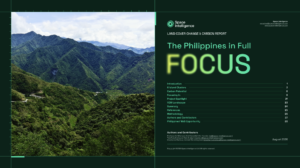
The Philippines in Full Focus
The Philippines is Southeast Asia’s next big nature-based opportunity — an estimated 80 million tonnes of carbon potential a year, across 15.5 million hectares of eligible land. The mangrove opportunity alone, if fully restored, could store nearly two years of the country’s CO₂ emissions.
As international investment turns toward the region, we looked closer. Using our audit-grade satellite maps of the Philippines for 2015, 2020 and 2025, this report brings the country’s full opportunity into focus — showing where projects are best placed to start, which forests to monitor for permanence, and what to watch for in due diligence.
Inside the report:
- How the forest landscape has changed over the past decade
- Which islands hold the biggest restoration and conservation potential
- Why the Philippines is one of the hardest places on Earth to map — and how we see through the cloud